When sourcing wireless audio products, one of the biggest concerns for buyers is product quality. Poor quality earbuds can lead to high return rates, negative reviews, and damage to your brand reputation.
That’s why understanding the quality control process for Bluetooth earbuds is essential—especially if you’re working with a TWS earbuds manufacturer, OEM earbuds supplier, or planning to launch private label earbuds.
In this guide, we’ll explain how professional factories maintain product quality and what buyers should look for before placing bulk orders.
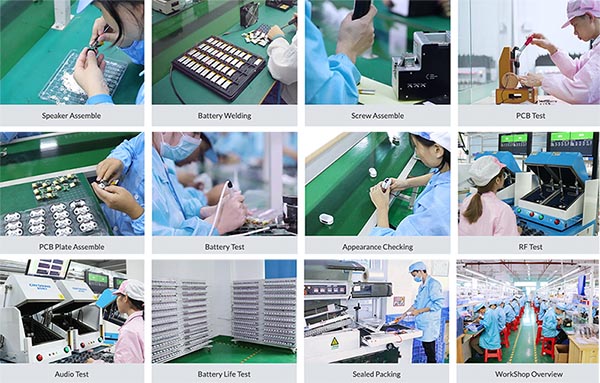
Why Quality Control Matters in Bluetooth Earbuds Manufacturing
Bluetooth earbuds are complex electronic products that combine:
- Bluetooth chips
- Batteries
- Audio drivers
- Microphones
- Charging components
- Firmware systems
A small defect in any part can cause major problems.
Without proper quality control, you may face:
- Connectivity issues
- Battery failures
- Sound defects
- Charging problems
- High return rates
Step 1: Incoming Material Inspection (IQC)
Quality control starts before production begins.
Factories inspect all incoming materials, including:
- Bluetooth chips
- Batteries
- Speaker drivers
- PCBA boards
- Charging cases
- Plastic housings
The goal is to identify defective materials before assembly starts.
What is checked?
- Material quality
- Specifications
- Functionality
- Supplier consistency
Step 2: Assembly Process Inspection (IPQC)
During production, quality teams monitor each assembly stage.
This helps prevent mistakes during manufacturing.
Key checkpoints:
- PCB soldering
- Battery installation
- Speaker assembly
- Charging case assembly
- Appearance inspection
This stage ensures production consistency.
Step 3: Bluetooth Pairing Test
Every pair of earbuds should be tested for connectivity.
Factories verify:
- Fast pairing
- Stable Bluetooth connection
- Left/right synchronization
- Signal strength
This helps prevent one of the most common customer complaints: pairing issues.
Step 4: Audio Testing
Sound quality is a major factor in customer satisfaction.
Professional manufacturers test:
- Volume balance
- Bass performance
- Audio distortion
- Left/right sound consistency
Some factories use automated audio testing equipment for accuracy.
Step 5: Battery Performance Testing
Battery issues are common in low-quality earbuds.
Testing includes:
- Charging speed
- Battery capacity
- Playback time
- Charging case performance
This ensures advertised battery life matches actual performance.
Step 6: Microphone Testing
For earbuds with ENC or calling features, microphone quality must be tested.
Factories check:
- Voice clarity
- Noise reduction performance
- Microphone sensitivity
Poor microphone quality often leads to customer complaints.
Step 7: Functional Testing
Each unit is tested for core features.
Examples:
- Touch controls
- ANC functionality
- ENC functionality
- Voice assistant activation
- LED indicators
Every function must work properly before shipping.
Step 8: Appearance Inspection
Visual quality matters.
Factories inspect:
- Scratches
- Logo printing
- Color consistency
- Packaging quality
This helps protect your brand image.
Step 9: Aging Test
Many professional factories perform aging tests.
Products are operated continuously for hours to identify hidden defects.
This helps detect:
- Battery instability
- Charging failures
- Overheating issues
Step 10: Packaging Inspection
Before shipment, final packaging checks include:
- Correct accessories
- User manual
- Charging cable
- Packaging accuracy
This ensures customers receive complete products.
Step 11: Final Quality Inspection (OQC)
The final step is outgoing quality control.
Factories randomly inspect finished goods before shipment.
This includes:
- Product functionality
- Packaging
- Quantity verification
Only approved products are shipped.
Common Quality Issues Buyers Should Watch Out For
Without proper QC, common problems include:
- One earbud not working
- Poor battery life
- Weak Bluetooth connection
- Charging failures
- High defect rates
These issues can severely impact your business.
How Buyers Can Verify Factory Quality Control
When choosing a supplier, ask:
- Do you perform 100% testing?
- Can you provide QC reports?
- What is your defect rate?
- Do you conduct aging tests?
A reliable OEM earbuds supplier should answer confidently.
Why Professional Manufacturers Have Lower Defect Rates
Experienced TWS earbuds manufacturers usually have:
- Better equipment
- Strong QC teams
- Stable supply chains
- More production experience
This reduces long-term risks for buyers.
Final Thoughts
The quality control process for Bluetooth earbuds is what separates reliable manufacturers from risky suppliers.
From material inspection to final testing, every step matters.
If you want to build a successful brand, always choose a TWS earbuds manufacturer that prioritizes quality and consistency.